
In Manhattan, cyclists have rights but also responsibilities, with traffic laws governing their lane usage, signals, and safe passing distances. Pedestrians should be aware of cyclists, who must similarly exercise caution. Brain attorneys in New York City are crucial for navigating cycling accidents, ensuring fair compensation for injuries, and understanding complex legalities surrounding these incidents.
In Manhattan, cyclists face unique challenges navigating its bustling streets. This article delves into the rights and laws governing cyclists, offering essential insights for both riders and motorists. We explore strategies for peaceful coexistence with pedestrians, emphasizing safe navigation techniques. Additionally, we discuss the pivotal role of a brain attorney in New York City, highlighting their expertise in handling cycling incidents. Understanding these aspects ensures safer roads for all, fostering an inclusive urban environment.
- Understanding Cyclist Rights and Laws in Manhattan
- Navigating the Road with Pedestrians: Coexistence Strategies
- The Role of a Brain Attorney in Cycling Incidents
Understanding Cyclist Rights and Laws in Manhattan

In Manhattan, cyclists have specific rights and laws that they must be aware of to ensure safe navigation on the city’s bustling streets. Understanding these regulations is crucial for both riders and drivers alike. New York City, known for its vibrant cycling culture, has implemented various laws to protect cyclists and promote their right to the road. As a brain attorney in New York City, it’s essential to emphasize that adhering to these rules not only keeps everyone safe but also fosters a harmonious relationship between cyclists, motorists, and pedestrians.
Cyclists in Manhattan have the same rights as any other vehicle operator, including the right to occupy the lane when passing stationary traffic or when approaching an intersection. They must follow traffic signals and stop signs, just like cars. However, drivers are required to yield to cyclists when making turns, and it’s illegal to pass a cyclist within a safe distance (typically three feet). These laws aim to create a balanced environment, ensuring that everyone on the road has their place and is treated with respect, ultimately enhancing safety for all transportation modes in New York City.
Navigating the Road with Pedestrians: Coexistence Strategies

In Manhattan, where cyclists and pedestrians share the road, it’s crucial for both parties to be aware of each other’s presence and rights. Cyclists have a right of way in many situations, but they must also exercise caution when navigating alongside pedestrians. Brain attorneys in New York City often see cases involving cyclist-pedestrian accidents, emphasizing the need for mutual respect and understanding on city streets.
Pedestrians should be mindful of their surroundings, looking out for cyclists as they cross or loiter near roads. Cyclists, too, must anticipate pedestrian movements, especially at intersections or when approaching crosswalks. Effective communication is key; a simple wave or a quick nod can signal to pedestrians that they are aware of your presence, fostering an environment where everyone feels safe and respected.
The Role of a Brain Attorney in Cycling Incidents
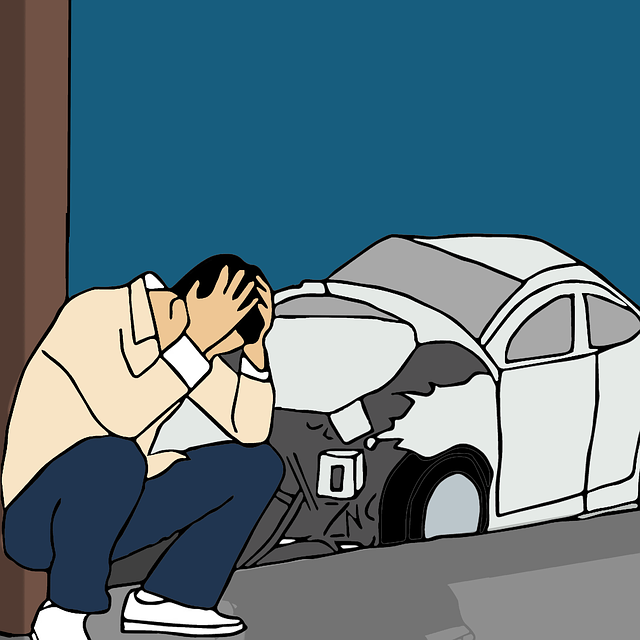
In the event of a cycling incident in Manhattan, understanding your rights and navigating legal complexities can be challenging. This is where a brain attorney in New York City plays a pivotal role. These legal experts specialize in personal injury cases, particularly those involving head injuries, which are common in cycling accidents due to the increased risk of falls and collisions. A brain attorney will help you interpret traffic laws and determine liability, ensuring that your rights as a cyclist are protected.
Their expertise extends to understanding the unique dynamics of Manhattan’s roads and the specific regulations governing cyclists. They can provide crucial guidance on when a cyclist has the right of way, how to document evidence at the scene, and what steps to take immediately after an accident. Moreover, brain attorneys in New York City are well-versed in navigating insurance claims and negotiating settlements, which can be particularly beneficial for cyclists who may face significant medical bills and rehabilitation costs following an injury.
In navigating Manhattan’s streets, understanding cyclist rights and laws is paramount. By prioritizing coexistence with pedestrians and appreciating the unique role a brain attorney in New York City can play in cycling incidents, cyclists and drivers alike can contribute to safer roads. Remember, knowledge of your rights and responsibilities is key to ensuring everyone shares the road responsibly.